
What's Childhood Depression? A Deeper Look Through 'Mabel Finds Her Happy'

Allie Mary • 8 January 2024

Childhood depression is a critical issue that often remains overshadowed. Unlike adults, children may not have the vocabulary or emotional maturity to express their feelings, making it difficult to recognise and address. It's not just a phase or a fleeting mood; it's a real, serious condition that can significantly affect a child's everyday life.

Symptoms and Impact

Childhood depression can manifest in various ways, including persistent sadness, irritability, a noticeable decline in interest in activities once enjoyed, changes in appetite or sleep patterns, and difficulty in focusing or making decisions. These symptoms can have a profound impact on a child's academic performance, social interactions, and overall development.

A young boy with curly hair is making a scary face with his hands in the air.

The Challenge of Identification

One of the biggest challenges in dealing with childhood depression is its identification. Since children often lack the ability to articulate their feelings, symptoms can be misinterpreted as typical childhood phases or behavioural issues.

Role of 'Mabel Finds Her Happy'

'Mabel Finds Her Happy' is an insightful children's book that tackles the complex issue of childhood depression. It serves as a valuable tool for parents, educators, and children to:


  • Provide a Relatable Experience: Children can see their feelings reflected in Mabel, making it easier for them to identify and articulate their own emotions.


  • Introduce Difficult Topics Gently: The book offers a gentle introduction to the concept of depression, allowing for a gradual understanding of the condition.


  • Encourage Dialogue: It opens up channels of communication between children and adults, fostering a supportive environment where children can freely express their emotions.


  • Educational Value: The book is more than a story; it's a springboard for discussions about emotional health, helping children to understand that experiencing sadness is okay and that they can seek help and find joy again.

A book called mabel finds her happy by allie mary

The conversation around childhood depression needs to be normalised. Books like 'Mabel Finds Her Happy' play a crucial role in this by providing accessible content that demystifies mental health issues for young minds. They serve as a starting point for deeper discussions and understanding.

In Conclusion, childhood depression is a significant and real issue that requires our attention and understanding. 'Mabel Finds Her Happy' offers a unique and empathetic approach to this sensitive topic, making it an essential resource for any parent, teacher, or caregiver looking to help children navigate through their complex emotions. By fostering open conversations and providing supportive environments, we can help children understand their feelings and find their path to happiness.
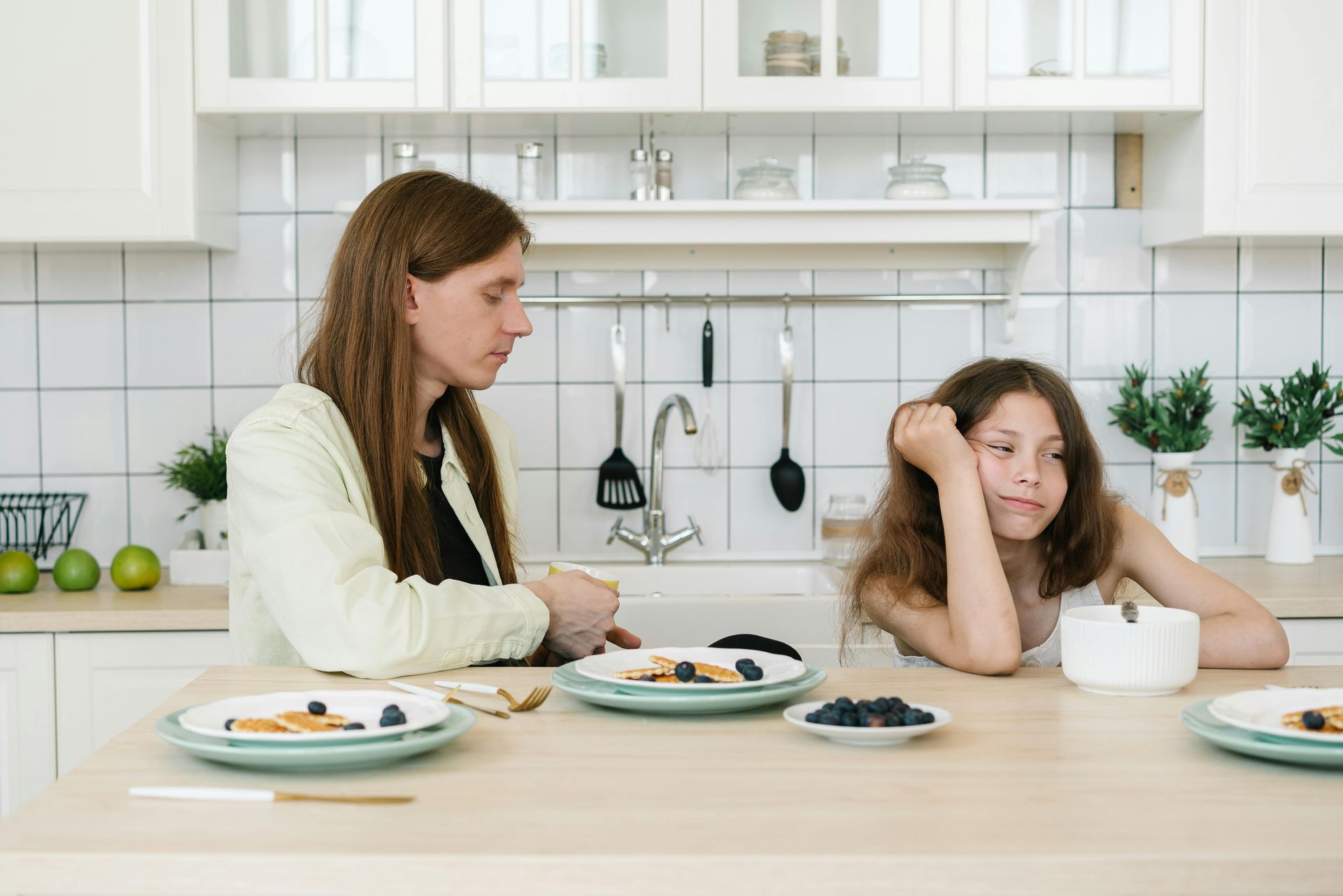

A woman and a girl are sitting at a table with plates of food.
by Millie Rowe 10 March 2025
Helping Children Navigate Grief: Gentle Ways to Support Young Minds
A man is sitting on the floor with his head in his hands in front of a bookshelf.
by Millie Rowe 11 February 2025
How the Mabel Series Supports Emotional Wellbeing 
A little girl is sitting in the grass reading a book to a teddy bear.
by Millie Rowe 20 January 2025
The Role of Storytelling in Supporting Children's Emotional Wellbeing
A man and a little girl are sitting on the floor in front of a christmas tree.
by Millie Rowe 19 December 2024
A Heartwarming Christmas with Mabel: Teaching Kindness and Connection
A woman is sitting on a bean bag chair reading a book to a group of children.
by Millie Rowe 3 December 2024
How Reading Supports Mental Health in Young Children
A little boy is sitting next to a teddy bear on a wooden deck.
by Millie Rowe 4 November 2024
Nurturing Emotional Growth with Allie Mary's Mabel Series
A woman and a little girl are petting a dog in a park.
by Millie Rowe 7 October 2024
 In a digital age where screen time often dominates the daily activities of children, the importance of outdoor play has never been more crucial. Outdoor activities offer a multitude of benefits for children's physical, emotional, and social development. Physical Benefits Outdoor play significantly contributes to children's physical health. Activities such as running, climbing, and jumping are excellent for developing cardiovascular health, muscle strength, coordination, and balance. Exposure to sunlight during outdoor play is also vital for vitamin D absorption, essential for healthy bone development. Emotional Growth The great outdoors provides a unique setting that stimulates all senses, offering children rich experiences that indoor environments simply cannot match. This sensory play helps to cultivate curiosity and creativity. Moreover, overcoming physical challenges in a natural environment boosts self-esteem and resilience, teaching children the value of persistence and personal achievement. Social Skills Development Playing outside often involves group activities, which naturally encourage social interaction and cooperation. Whether it's a structured game of football or a spontaneous adventure in the park, children learn to negotiate rules, take turns, share success, and even handle disagreements. These interactions are crucial for developing strong social skills and learning to build relationships. Cognitive and Academic Advantages Studies have shown that children who engage in regular outdoor play demonstrate improved attention spans, better problem-solving skills, and higher academic performance compared to their less active peers. The natural environment is a dynamic and complex space that prompts children to think critically and make decisions quickly, enhancing cognitive abilities. Encouraging Outdoor Play To maximize the benefits, parents and educators should encourage children to engage in outdoor play as much as possible. This can be facilitated by setting up safe play spaces, organizing regular visits to local parks, and scheduling playdates with peers. Schools can also support outdoor learning environments that integrate curricular objectives with physical activity. In conclusion, outdoor play is not just about having fun. It is a vital part of childhood development that enriches health, enhances learning, and equips children with necessary life skills. Encouraging children to step outside and play is one of the best ways to ensure they grow up healthy, happy, and ready to face the world.
A young boy is laying on a bed with a dog and reading a book.
by Millie Rowe 30 September 2024
Dogs as Emotional Anchors for Children: The Role of Canine Companions in Child Development . 
A woman and a child are sitting on the floor reading a book.
by Millie Rowe 6 September 2024
Helping children manage their emotions can be challenging, but it is also incredibly rewarding. Properly addressed, negative emotions can be transformed into valuable learning experiences. Here’s how parents can guide their children to better emotional resilience:
A young boy is laying on a table reading a book.
by Ross Keevins 15 August 2024
In an age where screens are an integral part of our daily lives, the concept of a digital detox has become increasingly relevant, especially for families.